Be Right Back
The premise
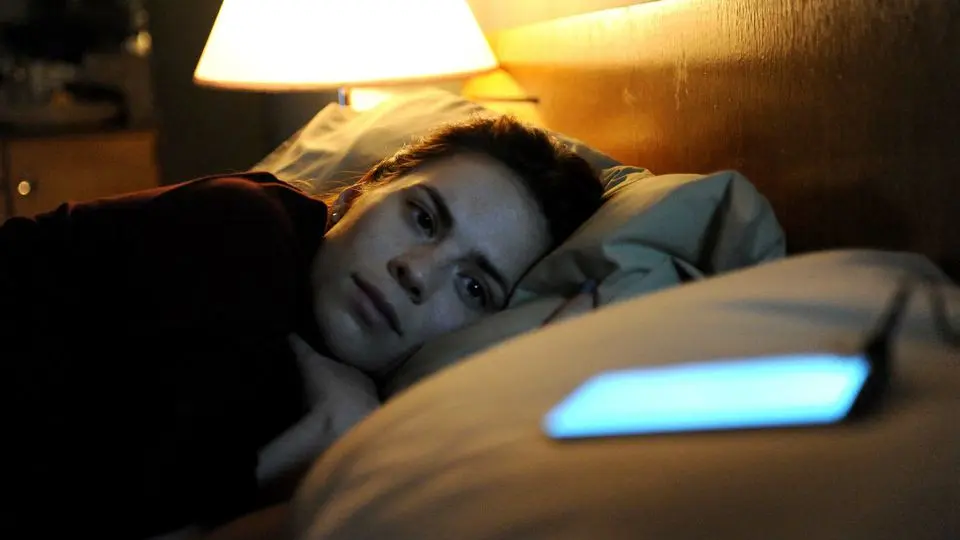
Martha loses her partner Ash in a car crash. Numb with grief, she signs up for a service that scrapes his old texts, emails and social media posts to build a chatbot that messages like him. Soon she upgrades: feed it his videos and voicemails and it speaks in his voice, calling her on the phone. Finally she orders the full package, a lifelike synthetic android, grown in a bathtub and uploaded with Ash's digital footprint. It looks and sounds like him, but it is uncanny, agreeable to a fault, and missing the man. Martha ends up keeping the imperfect copy hidden in the attic.
What the episode imagines
- 🤖✔AI chatbots mimicking real people
- 🔹✔Digital resurrection
- 🤖✔Lifelike androids
How close are we in 2026?
The chatbot stages of "Be Right Back" are no longer speculative. A "griefbot" or "deadbot" industry sells exactly what Martha bought. Project December lets you answer a questionnaire and pay around $10 to text a simulation of a specific dead person; HereAfter AI records guided audio interviews; StoryFile produces conversational video avatars that answer in the subject's own voice. Eternos.life, founded in 2024 by former LivePerson CEO Robert LoCascio, made German cancer patient Michael Bommer its first client in April 2024, building an interactive voice twin after roughly 25 hours of recording before he died; the company says more than 400 people have since made avatars, and in November 2025 it raised $10.3M.
China has industrialized it. Nanjing-based Silicon Intelligence sells a basic deadbot from 199 yuan (about $30) needing under a minute of video and audio; the country's digital-human sector was valued near $764M in 2024, up roughly 85% year over year. The voice-clone step Martha used is now trivial. The most contested 2025 case: former CNN anchor Jim Acosta interviewed an AI avatar of Parkland shooting victim Joaquin Oliver, built by his parents from his posts and writing, sparking a fierce backlash over consent and exploitation.
Ethicists are catching up. In May 2024 Cambridge's Leverhulme Centre researchers Tomasz Hollanek and Katarzyna Nowaczyk-Basinska published a Philosophy & Technology paper warning deadbots could "haunt" the bereaved, push ads in a dead relative's voice, or distress children, and called for opt-out and dignified-retirement design standards.
Key real-world developments
- Eternos builds and sells voice twins
Eternos.life created an interactive AI voice replica of terminally ill German Michael Bommer in 2024 from ~25 hours of recordings; 400+ people have since made avatars, and the startup raised $10.3M in November 2025.
- China's $30 deadbot industry
Silicon Intelligence in Nanjing sells avatars of the deceased from 199 yuan using under a minute of footage; China's digital-human market hit roughly $764M in 2024, an ~85% annual jump, with elderly users a key market.
- AI avatar of a shooting victim
In August 2025 Jim Acosta interviewed an AI avatar of Parkland victim Joaquin Oliver, built by his parents from his writings and posts. The five-minute conversation drew intense criticism over consent and grief exploitation.
- Cambridge warns of digital 'hauntings'
A May 2024 Cambridge study in Philosophy & Technology warned deadbots risk psychological harm and could be used to advertise to the bereaved, urging opt-out protocols and dignified deactivation of digital replicas.
The verdict
The text, voice and video stages of Ash's resurrection are real, commercial and cheap as of 2026 — Martha could buy every chatbot tier today, and grieving families already do. What is still missing is the episode's ending: the lifelike walking android. Tesla's Optimus and Figure's humanoids are advancing fast in factories but remain industrial, not lab-grown synthetic bodies wearing a dead man's face. The uncanny, hollow-copy problem the episode nails is also real, now an active ethics debate. On the chatbot premise we are essentially there; on the android, years away.
Sources
- University of Cambridge: Call for safeguards to prevent unwanted 'hauntings' by AI chatbots of dead loved ones (2024)
- TechCrunch: Immortality startup Eternos nabs $10.3M, pivots to personal AI that sounds like you (2025)
- NPR: Bringing dead loved ones back to life in China using AI (2024)
- Washington Post: Jim Acosta sparks fury with 'interview' of dead Parkland teen's AI avatar (2025)
- Scientific American: Can AI 'Griefbots' Help Us Heal? (2025)
- Eternos: First Client of Eternos.Life — Michael Bommer (2024)
Reviewed and updated by the How Close to Black Mirror editorial team on 20 June 2026. Progress scores are reasoned editorial estimates based on the cited sources, not scientific measurements.